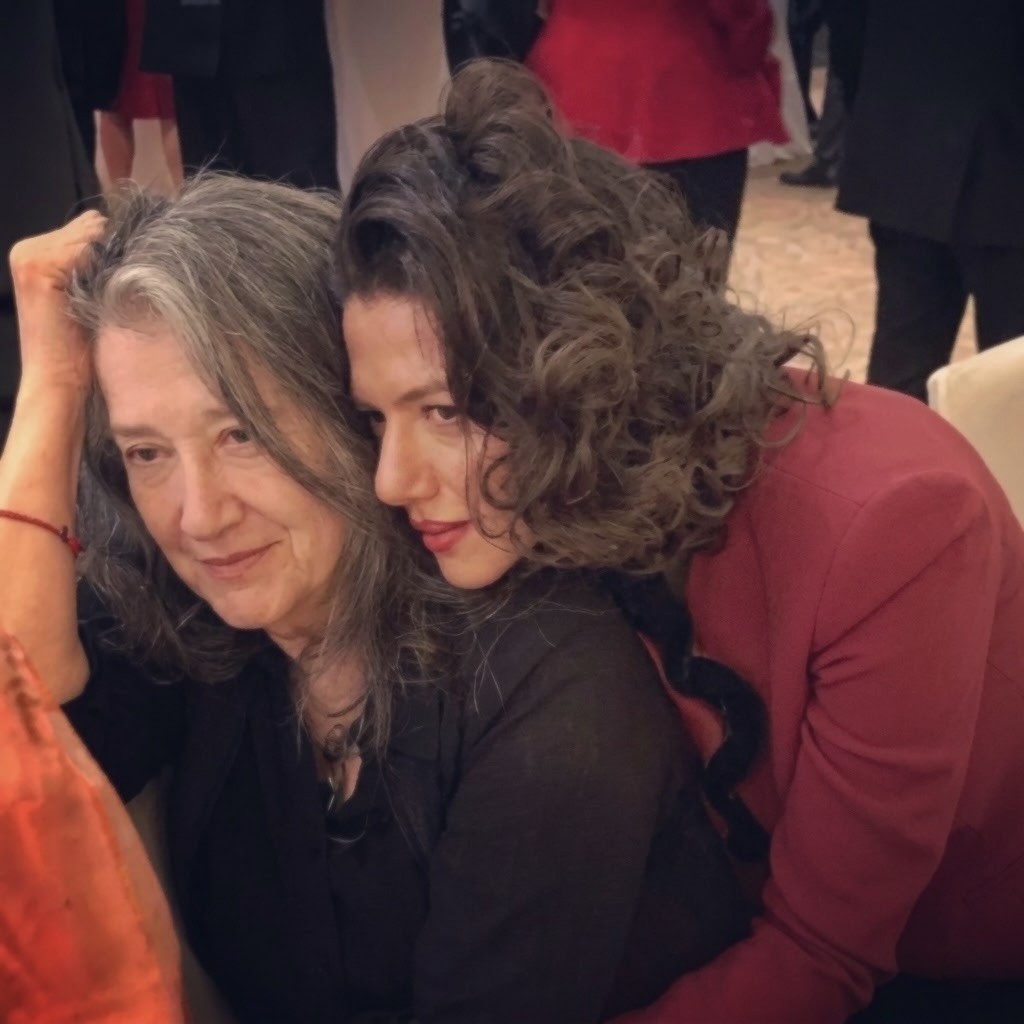
My fascination with women pianists didn’t begin as an academic interest. It began at home, in childhood: my earliest musical influence was my eldest sister, a concert pianist. Watching her practise and perform shaped my sense of what it meant to be a musician, and turning pages for her during chamber music recitals was my first experience of stage fright.
As a teenager, while studying at an Italian conservatoire, I fell in love with a young woman – a piano prodigy who would go on to become a great artist, whose musicianship is an enduring source of inspiration for me.
In hindsight, I see I grew up immersed in a strong musical tradition – yet also in a culture where the contributions of women pianists were often quietly sidelined.
As a young adult in London in the ’90s, my musical world expanded in ways I couldn’t have anticipated. While studying for a performance degree, I met an outstanding pianist from Japan who was a postgraduate at the same university. She became a friend and mentor, and I learned more from her about piano technique than from anyone else before or since. Her own teacher was Maria Curcio.
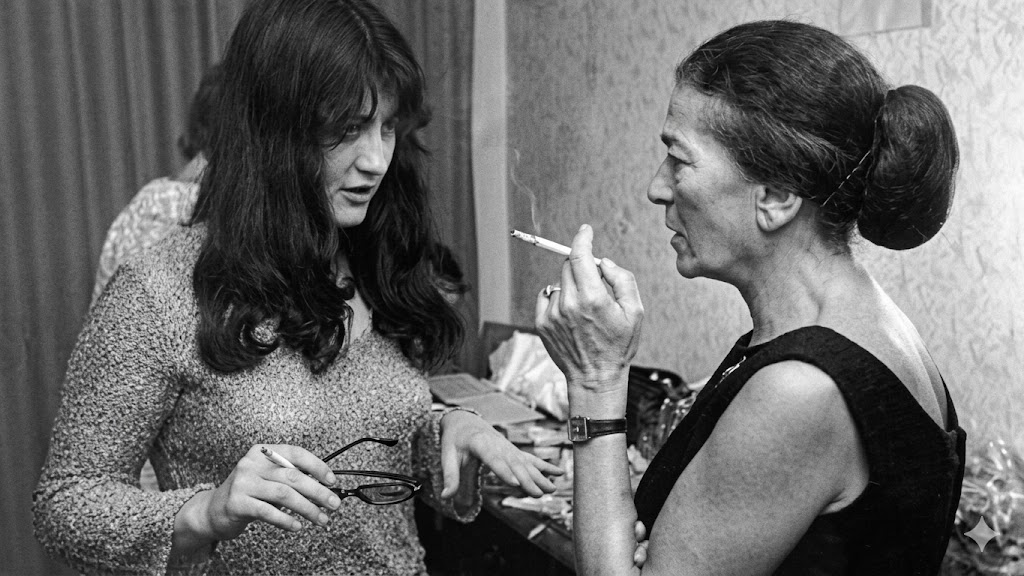
Through my friend, I had the immense privilege of meeting Curcio on several occasions. While preparing for a concerto competition, I played Mozart’s K. 466 for her. These moments remain etched in my memory; her comments were sparse yet penetrating.
As Arthur Schnabel’s last pupil, she embodied a direct link to a great pianistic lineage; yet there was nothing dogmatic about her approach. What struck me most was the combination of intellectual rigour and human warmth – a rare balance that explained why so many of the world’s leading pianists sought her guidance.
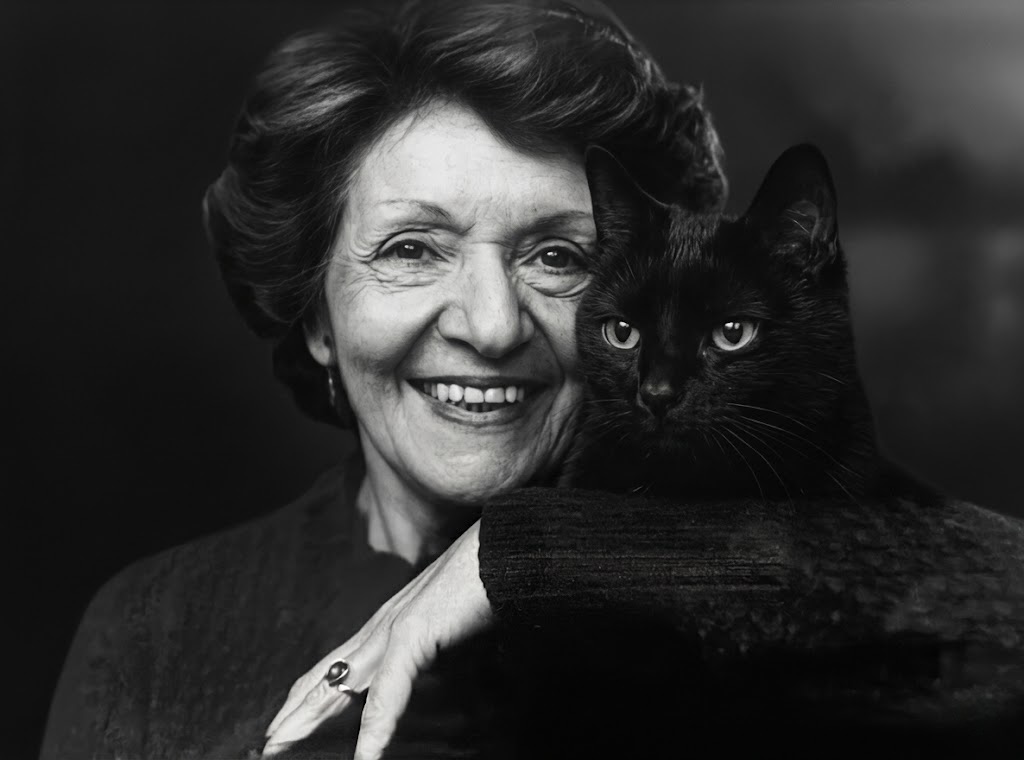
Despite her artistic stature, her name was unknown to me during my formative years. I was, of course, well aware of Maria Tipo, another great Neapolitan pianist and pedagogue, whose name circulated widely within musical circles. But Curcio was never mentioned.
Born in Naples in 1918, she had left the country at a young age. As a result, in the pre-internet era, her legacy remained outside the mainstream history of Italian pianism. Her story – brilliant pianist, devastating illness, reinvention as one of the most influential pedagogues of her time – felt emblematic of a larger pattern: women whose contributions were enormous, yet whose names were often missing from the standard narrative.
Like many professions, classical piano performance has long been male-dominated, particularly at the highest levels of visibility. In recent decades, however, the situation has changed profoundly: today, female pianists have a strong presence on the international stage. Figures such as Martha Argerich and, more recently, Yuja Wang enjoy exceptional fame, alongside numerous other leading artists, including Eliso Virsaladze, Mitsuko Uchida, Maria João Pires, Yeol Eum Son, Beatrice Rana and many more, who make significant contributions to contemporary musical life.
It is almost impossible to speak about women pianists without mentioning Clara Schumann. In many ways, she stands as the fore-mother of them all. One of the greatest pianists of the 19th century, she performed her husband’s music tirelessly, ensuring its survival and recognition at great personal cost. Alongside relentless touring, she carried financial responsibility for her family, the bearing of eight children and the care of a husband whose mental health steadily deteriorated, while her own compositional voice was gradually pushed aside.
Clara’s life established a model that would echo through generations: the woman pianist admired for her artistry, constrained by societal expectation, and rarely acknowledged as a central figure within the musical canon.
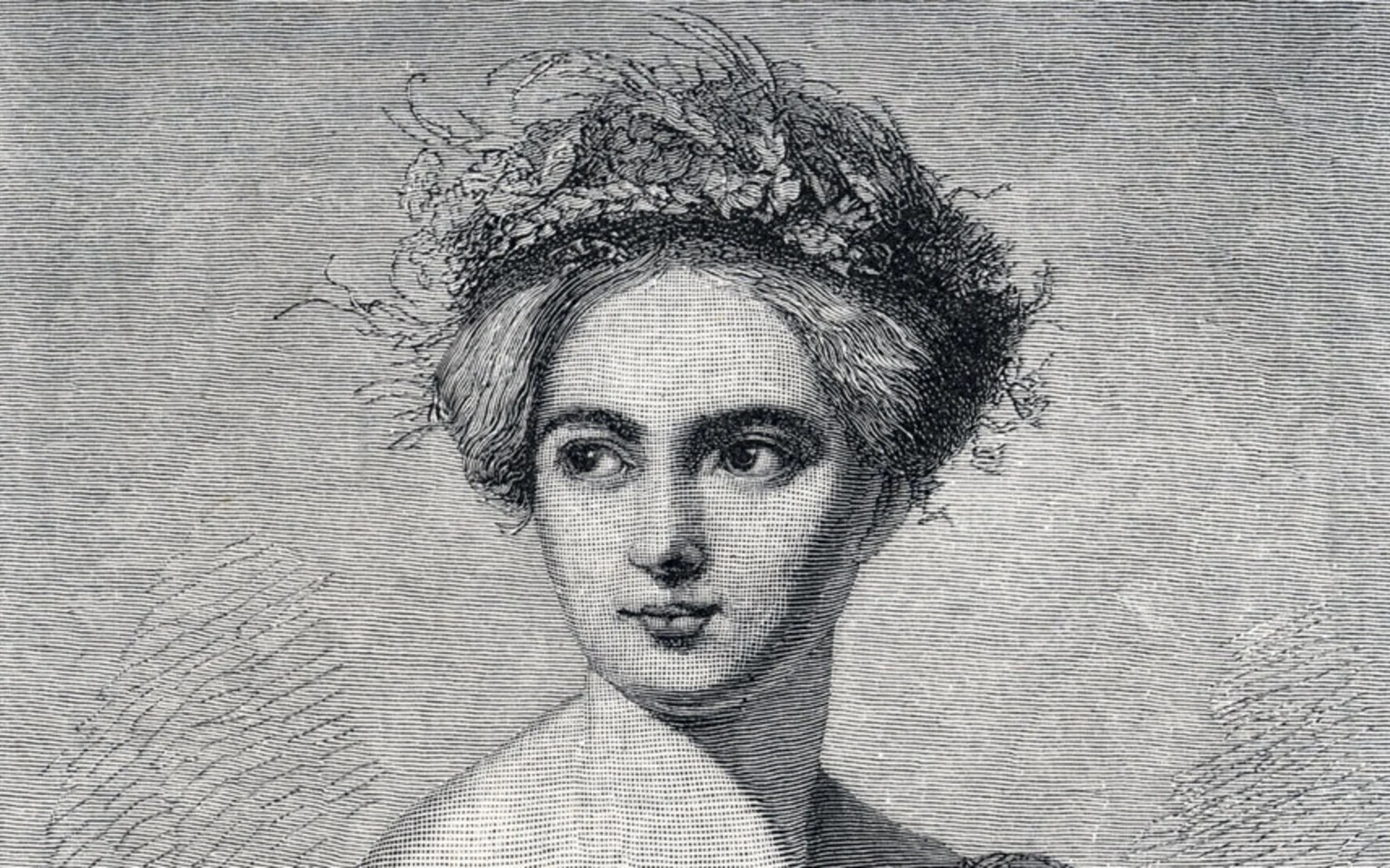
Born into the same musical generation, Fanny Mendelssohn presents a contrasting but equally revealing case. An exceptional pianist and composer, trained to the same standard as her brother Felix, she was actively discouraged from pursuing a public musical life – her talent largely confined to the private sphere.
It would take more than a century for these constraints to begin to loosen. With the wider social changes of the 20th century, access to education and professional opportunities gradually expanded and women gained greater freedom to prioritise artistic life over prescribed social roles.
Yet classical music, with its attachment to tradition and hierarchy, has been slower than other fields to question its conventions. Although significant progress has been made, the sector is still far from full equality: women continue to be underrepresented in festivals, concert halls and international competitions.
Gendered assumptions within musical culture were not only imposed from without, but also reinforced by women themselves. In a documentary about her life, the great Turkish pianist İdil Biret recalls that, as a young student in Paris, she was told by the composer and conductor Nadia Boulanger that, despite her talent, she would never equal a man. Biret recalls how she subsequently began lifting weights in an attempt to increase her upper-body strength, believing this to be the missing element.
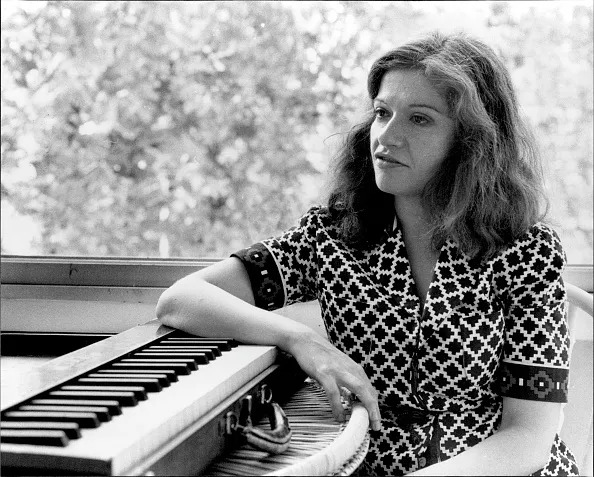
The anecdote is striking not only for its bluntness, but for how deeply ingrained such beliefs were — so pervasive that even exceptional women internalised them and struggled to question them.
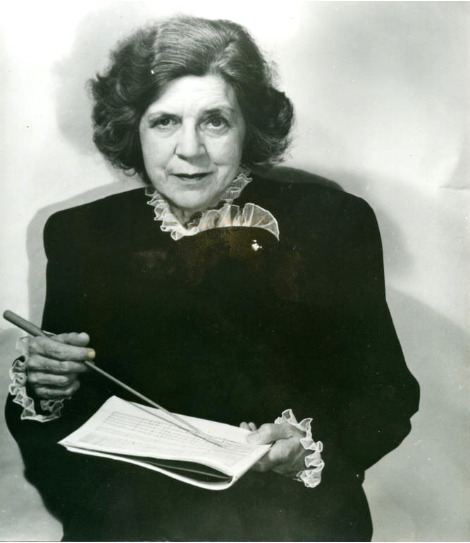
The increased visibility of women performers today is the result of decades of cultural change. One of the earliest pioneers of this transformation was the British-born Ethel Leginska. Already an accomplished pianist, Leginska retrained as an orchestral conductor in the early ’20s – an ambition still highly unconventional for a woman – and in 1925 she became one of the first to lead a major American orchestra. Her courage and versatility helped redefine what was possible for women in music.
The advent of the internet has made it possible to explore otherwise inaccessible archives and discographies. Previously, the only recordings I knew of by women pianists born in the 19th century were those of Clara Haskil and Myra Hess. I have since come to admire several others, including Ilona Eibenschütz, Fannie Bloomfield, Tina Lerner, Antonietta Rudge, Jeanette Durno and Maria Carreras. The artistry of these extraordinary musicians survives on discs and piano rolls, yet their careers have remained at the edges of the historical record.
What began as curiosity gradually turned into a sense of responsibility. While researching, I also became captivated by several women pianists born in the early 20th century, including Agi Jambor, Nadia Reisenberg, Vera Franceschi, Maryla Jonas and the formidable Annie Fischer.
Each name opened a door onto a world of musical insight, often emerging from lives marked by displacement, loss, and remarkable resilience.
Maria Grinberg, who lost her husband and father during the Stalinist purges, yet whose phenomenal artistry emerged with extraordinary inner strength; Maria Yudina, who pursued a fiercely individual path in Soviet Russia, refusing to temper her convictions to suit political expectations; Teresa Carreño, born in Venezuela in 1853, who built a global career at a time when such freedom was unheard of for a woman; and Magda Tagliaferro, who became a formative presence in French and Brazilian musical life, training generations of pianists across two continents.
The notion of a great pianistic lineage, still often presented as a mostly male genealogy, appears increasingly incomplete. Alongside figures such as Theodor Leschetizky, Ferruccio Busoni, Leopold Godowsky, Heinrich Neuhaus, Alfred Cortot and Arthur Schnabel stand women whose role in shaping pianistic tradition was no less central. Marguerite Long, Rosina Lhévinne, Nadezhda Golubovskaya, Tatiana Nikolayeva, Margarita Fyodorova and Maria Curcio were key transmitters of stylistic judgement, interpretative approaches and piano technique.
With recordings now widely accessible, these great pianists can finally be heard on their own terms. Their voices were never marginal; they belong to the core of piano culture.
For me, listening to them has been like discovering secret rooms in a familiar house – each artist a story of triumph and vulnerability.
Their music is a reminder that the piano tradition is far richer than the narratives we inherited.
This article also appeared in Pizzicato, Classic Voice and Le Salon Musical.

